
Violence in schools remains an unacceptably high challenge across the United States. Implementing critical physical upgrades can often take districts years of budget negotiations and red tape. The Department of Justice (DOJ) School Violence Prevention Program (SVPP) changes that timeline, offering a direct mechanism to bring robust, immediate security to campus perimeters.
As we enter the FY 2026 funding cycle, school districts, local law enforcement agencies, and municipalities have a unique opportunity to secure up to $500,000 in federal funding to target-harden school grounds.
Here is everything your agency or district needs to know to navigate the 2026 SVPP cycle, align your technology needs, and submit a winning application.
The 2026 SVPP Grant at a Glance
The COPS SVPP is a highly competitive, annual federal grant designed specifically for “hard security”—the tangible tools, physical infrastructure, and evidence-based technology required to protect K-12 students and staff.
-
Total National Funding: Up to $73 million available for FY 2026.
-
Maximum Award: $500,000 per applicant (federal share).
-
Project Duration: Each award lasts three years (36 months), giving ample time for deployment, optimization, and training.
-
The Cost Match: Standard awards require a 25% local cash match. (Example: For a $400,000 total school security deployment, the grant covers $300,000, and the local agency contributes $100,000).
-
The Microgrant Track: To assist smaller, rural, tribal, or low-resourced schools, $1 million is set aside for projects of $100,000 or less. Crucially, the COPS Office will waive the 25% match requirement for microgrants, allowing for 100% federal funding.
Who is Eligible to Apply?
The SVPP grant does not fund individual schools directly. Instead, funds are awarded to public entities that have primary safety responsibilities for K-12 campuses. Eligible applicants include:
-
States and territories
-
Units of local government (cities, counties, townships)
-
Native American tribes
-
Public agencies (including public school districts, school boards, and local law enforcement agencies)
Note: Grant recipients can seamlessly use these funds to contract directly with security technology vendors or make sub-awards to local educational agencies.
Allowable Uses: Where Physical Surveillance Meets the Mandate
By law, SVPP funding is strictly limited to evidence-based technology, equipment, and law enforcement coordination. The grant explicitly focuses on five purpose areas.
To maximize your application’s scoring potential, your tech procurement should align directly with these core pillars:
1. Deterrent Measures & Target Hardening
Perimeter security is a school’s first line of defense. The grant covers physical assets designed to deter intruders before they ever reach a building’s entrance.
-
Compliant Technology: High-definition security cameras, motion-activated perimeter lighting, access control gates, and entry control equipment.
-
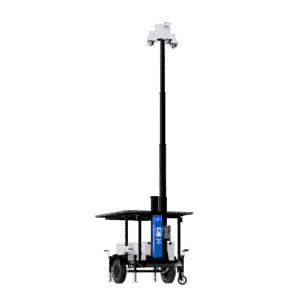
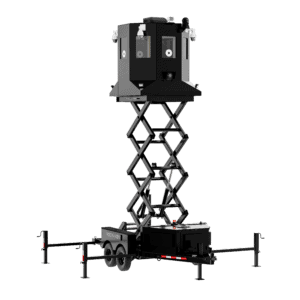
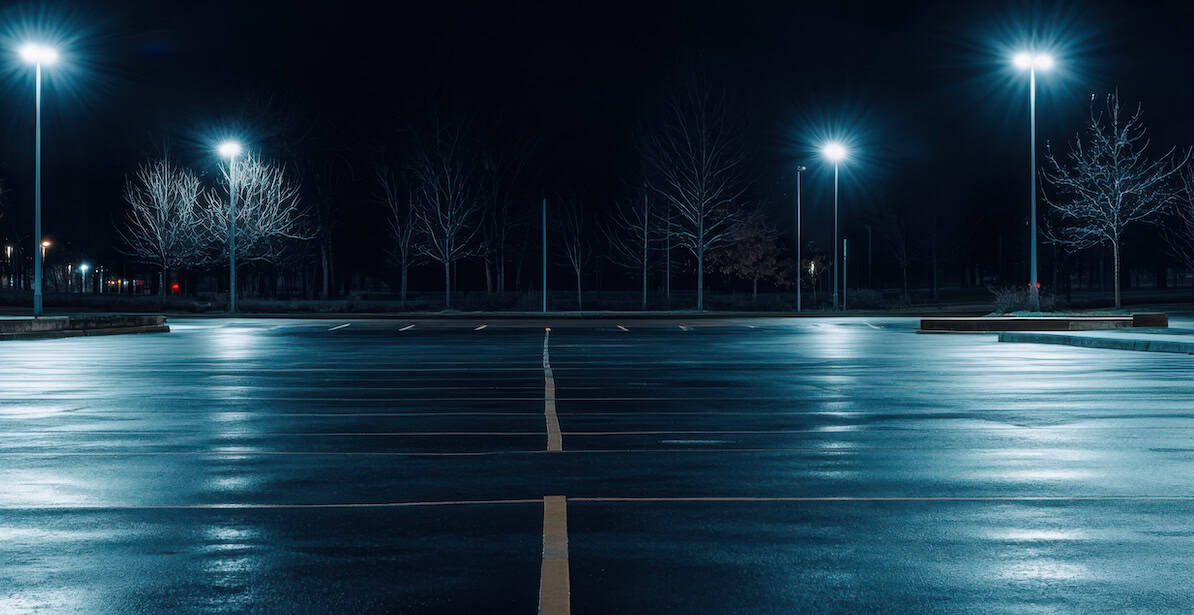
The Rapid-Deployment Advantage: Implementing fixed infrastructure can take months of construction. Deploying mobile security camera trailers or manned surveillance towers along property lines, at sporting events, and in student parking lots provides immediate visual deterrence and coverage without breaking ground.
2. Expedited Notification Technology
During a critical incident, seconds save lives. The SVPP prioritizes technology that bridges the gap between a campus threat and a law enforcement response.
-
Compliant Technology: Panic buttons, immediate alarm notification systems, automated emergency text/email alert software, and advanced communications hardware like Reconview’s MobileTalk mobile emergency call box solution.
-
The Connectivity Fit: Utilizing mobile security camera trailers equipped with dedicated cellular or satellite communications allows for real-time video streaming directly to local dispatch, giving arriving officers vital situational awareness before they step foot on campus.
3. Training & Coordination
Funds can also be allocated toward training local law enforcement officers on school-specific violence prevention tactics and establishing joint operational protocols between the district and first responders.
The Strict Two-Step Application Process
Like most DOJ programs, the FY 2026 SVPP application operates on a rigid, multi-week timeline split across two distinct federal portals. Missing either deadline disqualifies the application automatically.
Step 1: Grants.gov: Applicants must first log in to Grants.gov to submit the standard baseline forms (SF-424 and disclosure of lobbying activities).
Step 2: JustGrants: Once Step 1 is cleared and validated, the application moves into the Justice Grants System (JustGrants). This is where you will complete the comprehensive budget detail worksheets and the programmatic narrative surveys.
4 Pro Tips for a Winning 2026 Application
1. Validate with Data
A successful application is built on evidence, not generalized statements. You must demonstrate a severe financial or security need. Gather recent, comprehensive campus vulnerability assessments, localized crime data, and physical site surveys to prove exactly why and where security gaps exist on your perimeters.
2. Build a Community Coalition
The COPS office favors applications that show a unified front. Start gathering formal Letters of Support from your local police chief, county sheriff, school board members, and parent-teacher associations. The narrative should clearly reflect that law enforcement was actively consulted during the planning process.
3. Do Not Wait on Registration
Federal identity systems can take weeks to process updates. Ensure your agency’s SAM.gov registration is active and that your Unique Entity ID (UEI) is verified long before the final submission windows approach.
4. Secure Preliminary Vendor Quotes Early
Because the JustGrants portal requires highly specific budget line items, do not guess your technology costs. Work closely with your security technology partner early in the process to obtain exact equipment quotes, ensuring all proposed items are fully compliant with federal procurement standards—including strict prohibitions on covered foreign telecommunications hardware.
Ready to Make Your Campus “Grant-Ready”?
Don’t wait for the final solicitation deadlines to begin planning your safety upgrades. Our team specializes in providing compliant, rapid-deployment perimeter surveillance and ballistic-rated security assets designed to meet the highest federal standards.
Contact us today to request grant assistance, including a pre-configured technical specification package and itemized quote that can be used in your 2026 SVPP application.
Eligible Technology for the 2026 COPS SVPP Grant
|
Mobile Security Camera TrailersEstablish an immediate, highly visible deterrent along school perimeters, unmonitored parking complexes, and athletic fields. Powered by solar panels, these rapid-deployment units provide continuous 24/7 video monitoring and clear line-of-sight protection without breaking ground or relying on campus grid infrastructure. |
Ballistic-Rated Surveillance TowersEngineered specifically for active target-hardening mandates under SVPP Purpose Area 3. These physical enclosures feature certified ballistic protection to safeguard security teams responding to evolving threats. Designed for rapid deployment and 360-degree surveillance, these units provides a bird’s-eye view and visible deterrence. |
Mobile Emergency Call Box SolutionMeet the strict federal requirement for expedited law enforcement notification. Utilizing dedicated cellular or satellite communications, MobileTalk bridges the gap between threat detection and arrival, enabling automated emergency alerts and live, real-time video streaming capabilities directly to responding patrol units and regional dispatch. |